













The Ultimate Guide to Purchasing Construction Machinery
Understanding Your Needs
Before venturing into the world of construction machinery, it’s essential to evaluate your project’s specific requirements. Analyzing the scale and nature of your projects determines which equipment will best serve your needs. Consider factors such as:
- Type of Work: Are you involved in earthmoving, demolition, paving, material handling, or general construction? Each task requires specialized machinery, including excavators, bulldozers, backhoes, or cranes.
- Project Size: Large projects may necessitate heavy-duty equipment, while smaller jobs might only require compact machines.
- Terrain: Understanding the conditions (muddy, rocky, flat) can help dictate the power and type of machinery required. For instance, all-terrain vehicles are essential in rugged landscapes.
Setting a Budget
Establishing a budget is one of the most crucial aspects when purchasing construction machinery. Machinery acquisition can involve significant upfront costs, and understanding your financial capacity is vital:
- Initial Costs: Evaluate purchase price versus leasing options. Although purchasing might seem straightforward, leasing can increase flexibility and reduce immediate financial burden.
- Operational Costs: Consider ongoing expenses such as maintenance, repairs, fuel consumption, and insurance. High operational costs can erode profit margins over time.
- Financing Options: Explore different financing avenues, including bank loans, manufacturer financing, and leasing agreements. Each has its pros and cons based on interest rates, repayment terms, and your credit status.
Researching Machinery Types
After defining your needs and budget, delve into specific machinery types. Familiarity with various machines available on the market equips you with knowledge to make informed purchases.
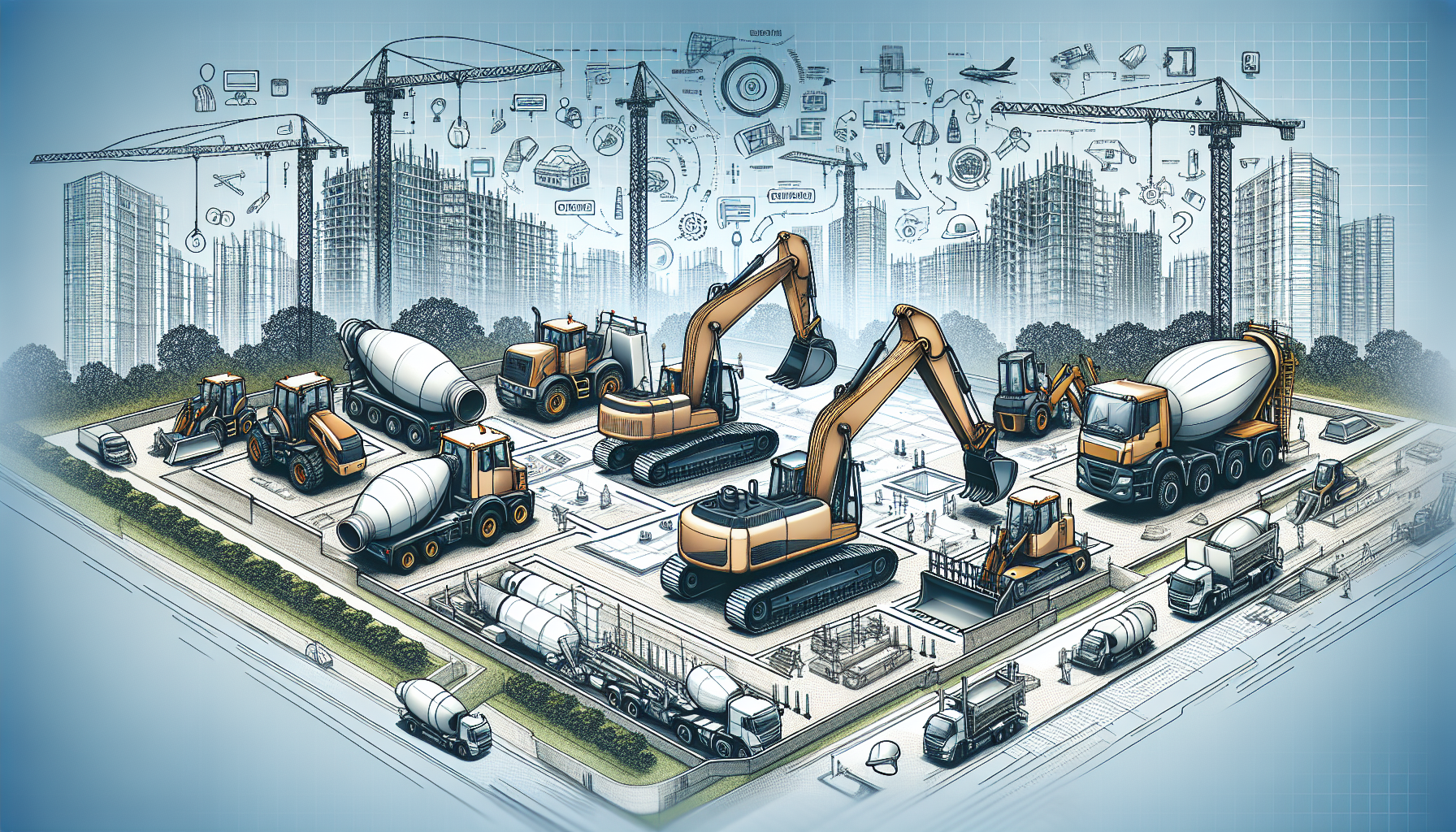
- Excavators: Versatile and essential for digging, trenching, and material handling. Sizes range from mini-excavators for tight spaces to large excavators for extensive earth-moving projects.
- Loaders: Front-end loaders and backhoe loaders help in lifting and transporting materials. Understand their weight capacities and optimal uses.
- Cranes: Essential for lifting heavy materials. Evaluate different types such as tower cranes, mobile cranes, and crawler cranes depending on your project scale.
- Dump Trucks: Vital for transporting bulk materials. Analyze load capacities, engine power, and the terrain coverage capabilities of dump trucks.
Evaluating Manufacturers
Choosing the right manufacturer is crucial for ensuring reliability and quality. Conduct thorough research on different companies:
- Reputation: Look for established brands with positive customer reviews. Search construction forums, industry publications, and peer recommendations.
- Warranty and Support: Analyze the warranty offered and the manufacturer’s commitment to after-sales service. A strong support network is crucial for minimizing downtime.
- Parts Availability: Investigate the availability of spare parts. Manufacturers with established dealer networks ensure quicker repairs and maintenance.
Considering New vs. Used Equipment
Deciding between new and used machinery involves weighing the pros and cons of each option:
- New Equipment: Comes with the latest technology and is less likely to incur immediate repair costs. However, it typically comes at a higher price.
- Used Equipment: More cost-effective but may require more maintenance. Inspect used machinery carefully and consider having a trusted mechanic evaluate it before purchasing.
Evaluating Machinery Performance
Performance is a critical factor in selecting machinery. Assess multiple aspects:
- Power and Efficiency: Understand the machinery’s horsepower, fuel efficiency, and adaptability to different tasks. High-efficiency models can lead to significant long-term savings.
- Ergonomics: Comfortable controls and operator stations can enhance productivity and reduce operator fatigue. Assess the ergonomics of machinery before procurement.
- Technology Integration: Many modern machines now come equipped with advanced technology like GPS and telematics. These features can streamline operations, enhance safety, and provide real-time data to improve project management.
Inspection and Testing
Once you’ve shortlisted potential purchases, conduct thorough inspections and testing:
- Physical Inspection: Look for physical signs of wear, rust, and damage. Check fluid levels, hoses, and tires or tracks for overall condition.
- Functionality Test: If possible, run the machinery to understand its performance capabilities firsthand. Pay attention to noise, vibrations, and operational smoothness.
Negotiating the Purchase
Negotiation is a significant part of the purchasing process. Effective negotiation can lead to substantial savings:
- Price Comparisons: Get quotes from multiple sources to leverage a better deal. Understanding market pricing helps in effective negotiation.
- Included Services: Negotiate for enhanced services like warranty extensions, free maintenance checks, and delivery options.
Understanding Regulations and Compliance
Every region has specific regulations regarding construction machinery. Understanding these ensures compliance and avoids penalties:
- Safety Compliance: Ensure the machinery meets safety standards set by relevant authorities. Equipment should come with necessary safety features and certifications.
- Environmental Regulations: Analyze emissions and environmental impact regulations. Newer models often comply better with stringent emission standards.
Maintenance and Care
After successfully purchasing construction machinery, emphasize regular maintenance to maximize longevity and performance:
- Scheduled Maintenance: Implement a routine maintenance schedule to check and service essential areas. Regular oil changes, part replacements, and checks can prevent major breakdowns.
- Training Operators: Invest in training for operators. Well-trained personnel can handle equipment properly and reduce the risk of accidents, which can save costs in the long run.
Future Trends in Construction Machinery
Stay abreast of technological advancements in construction machinery. Innovations are vital for improving efficiency and sustainability:
- Electric Vehicles: The shift toward electric equipment is gaining momentum. These machines promise reduced emissions and operating costs.
- Automation and Robotics: Emerging technologies like remote-controlled machines and robotics are redefining construction efficiency and effectiveness.
- Telematics: Integrating telematics for real-time data tracking will enhance machine management, optimizing fuel consumption and maintenance schedules.
By paying attention to every detail from understanding your needs to considering future trends, you can make informed decisions when purchasing construction machinery. The goal is to find the right balance between cost, quality, and performance to meet your project requirements effectively.