














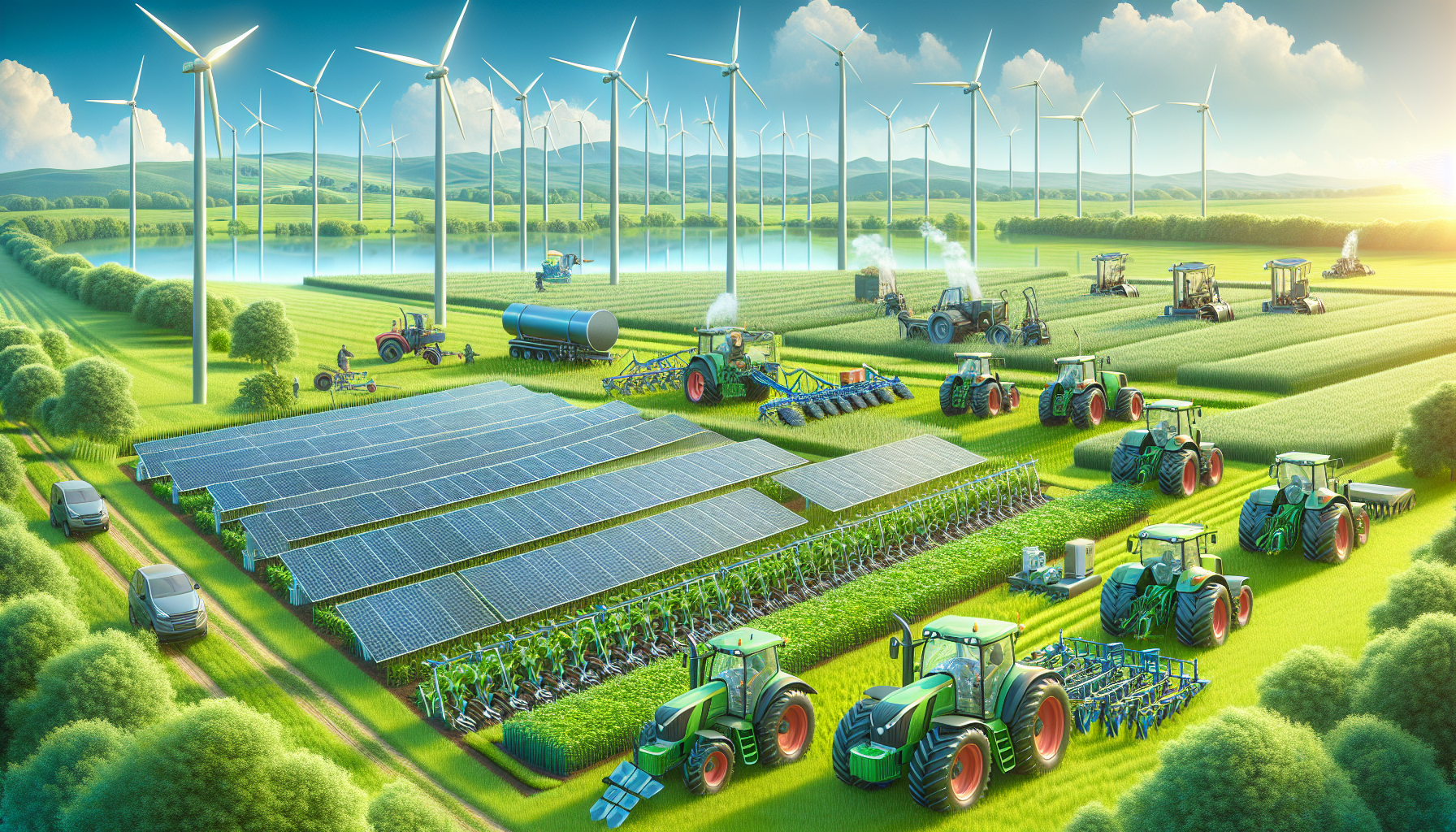
Sustainable Practices in Eco-Friendly Agricultural Machinery
The Importance of Eco-Friendly Agricultural Machinery
As the global population continues to rise, the demand for food production is at an all-time high. However, traditional agricultural methods often lead to significant environmental degradation, including soil erosion, water depletion, and toxic chemical runoff. Eco-friendly agricultural machinery presents a solution by integrating sustainable practices that promote environmental health without compromising productivity. These innovative machines and techniques not only reduce waste and carbon emissions but also enhance the resilience of farming ecosystems.
Types of Eco-Friendly Agricultural Machinery
-
Electric Tractors
Electric tractors are one of the most exciting advances in agricultural machinery. Powered by rechargeable batteries, these tractors eliminate greenhouse gas emissions associated with diesel-powered equipment. With improved torque and efficiency, electric tractors can operate a variety of attachments such as plows, harvesters, and seeders, all while minimizing soil compaction and maintaining the integrity of the land. -
Solar-Powered Equipment
Solar technology has made its way into agriculture through solar-powered irrigation systems, pumps, and even tractors. These systems harness solar energy, reducing reliance on fossil fuels. For instance, solar irrigation helps to conserve water and energy, ensuring efficient crop production while minimizing costs and environmental impact. -
Precision Agriculture Tools
Utilizing GPS technology, drone surveillance, and IoT sensors, precision agriculture optimizes field-level management regarding crop farming. Tools such as drone sprayers reduce chemical input by targeting only areas that require treatment, minimizing pesticide and fertilizer use. The data collected through these technologies allows farmers to make informed decisions, ensuring sustainable and efficient farming practices. -
Biodegradable Implements
Many companies are developing biodegradable machinery parts and implements made from materials like corn starch, hemp, or bamboo. These products break down naturally in the environment, reducing plastic waste and promoting soil health. Items like plant pots, seed trays, and even harvesting tools can now be manufactured sustainably. -
Agroecological Equipment
Machinery designed with agroecology principles helps promote biodiversity and natural farming systems. These machines, such as those that encourage cover cropping or no-till practices, help restore ecosystems while improving soil health. Preventing soil disturbance leads to better moisture retention and reduces the need for external fertilizers.
Key Features of Eco-Friendly Agricultural Machinery
-
Low Emissions
A critical feature of eco-friendly machinery is low emissions. Agricultural equipment manufacturers today focus on creating engines that produce less CO2 and other harmful gases. Implementing stricter emission standards helps push the industry towards cleaner technology. -
Energy Efficiency
Energy-efficient machinery reduces the overall consumption of fossil fuels and electricity, leading to lower operational costs and a reduced carbon footprint. Manufacturers invest in engineering practices that maximize fuel efficiency without compromising output. -
Versatility and Adaptability
Eco-friendly machinery is designed to be versatile. The ability to perform multiple tasks with minimal energy input makes these machines very attractive for farmers looking to reduce costs while adhering to sustainability principles. -
Ease of Maintenance
Sustainable machinery often comes with designs that facilitate easier maintenance, requiring fewer resources and less time for repairs, allowing farmers to maximize operational efficiency. -
Compatibility with Sustainable Practices
Many new machines are designed to work effectively with organic farming practices and methods such as crop rotation. These machines are built to ensure that they do not negatively affect the delicate ecosystems upon which the farm relies.
Adoption of Eco-Friendly Machinery
Adopting eco-friendly agricultural machinery requires a mindset geared towards sustainability. Educating farmers about the long-term benefits, such as reduced operational costs and increased biodiversity, is crucial. Governments and organizations can also play a significant role in facilitating this transition by providing financial incentives, subsidies for purchasing eco-friendly equipment, and supporting research into sustainable practices.
The Role of Technology in Eco-Friendly Machinery
Technology is at the forefront of developing eco-friendly agricultural machinery. Innovations like artificial intelligence, machine learning, and robotics are changing the landscape of farming operations. AI-enhanced machinery can analyze data in real time, enabling optimization in water usage, pest control, and nutrient delivery. Agricultural robots that automate weeding or harvesting reduce labor costs and improve efficiency while minimizing the impact on the environment.
Challenges in Implementing Eco-Friendly Machinery
Despite the myriad benefits, there are challenges associated with adopting eco-friendly agricultural machinery. High initial costs can discourage farmers, particularly those operating on tight margins. Additionally, some farmers may lack knowledge or training on how to operate advanced technology. Given that agriculture is often traditional in nature, changing mindsets can also be a barrier.
Market Opportunities and Trends
As consumer awareness increases, the demand for sustainably produced food is rising. This shift offers market opportunities for farmers adopting eco-friendly practices, as they can cater to a niche market willing to pay a premium for environmentally responsible products. Furthermore, investors are increasingly interested in sustainable agriculture, leading to more financing options for farmers looking to transition to sustainable practices.
Collaborative Efforts in Innovation
Collaboration between agricultural stakeholders, including manufacturers, researchers, and policymakers, is essential for driving innovation in eco-friendly machinery. Sharing knowledge leads to new designs and technologies that enhance sustainability in agriculture. Universities and tech companies can partner with farmers to develop prototype machines that address specific environmental concerns.
Future Perspectives on Eco-Friendly Agricultural Machinery
Looking ahead, the future of eco-friendly agricultural machinery appears promising. Continual advancements in battery technology, AI, and sustainable materials will likely lead to even more efficient, cost-effective solutions. As the agricultural sector increasingly embraces sustainability, the industry can lower its environmental impact while meeting the growing global food demand effectively.