














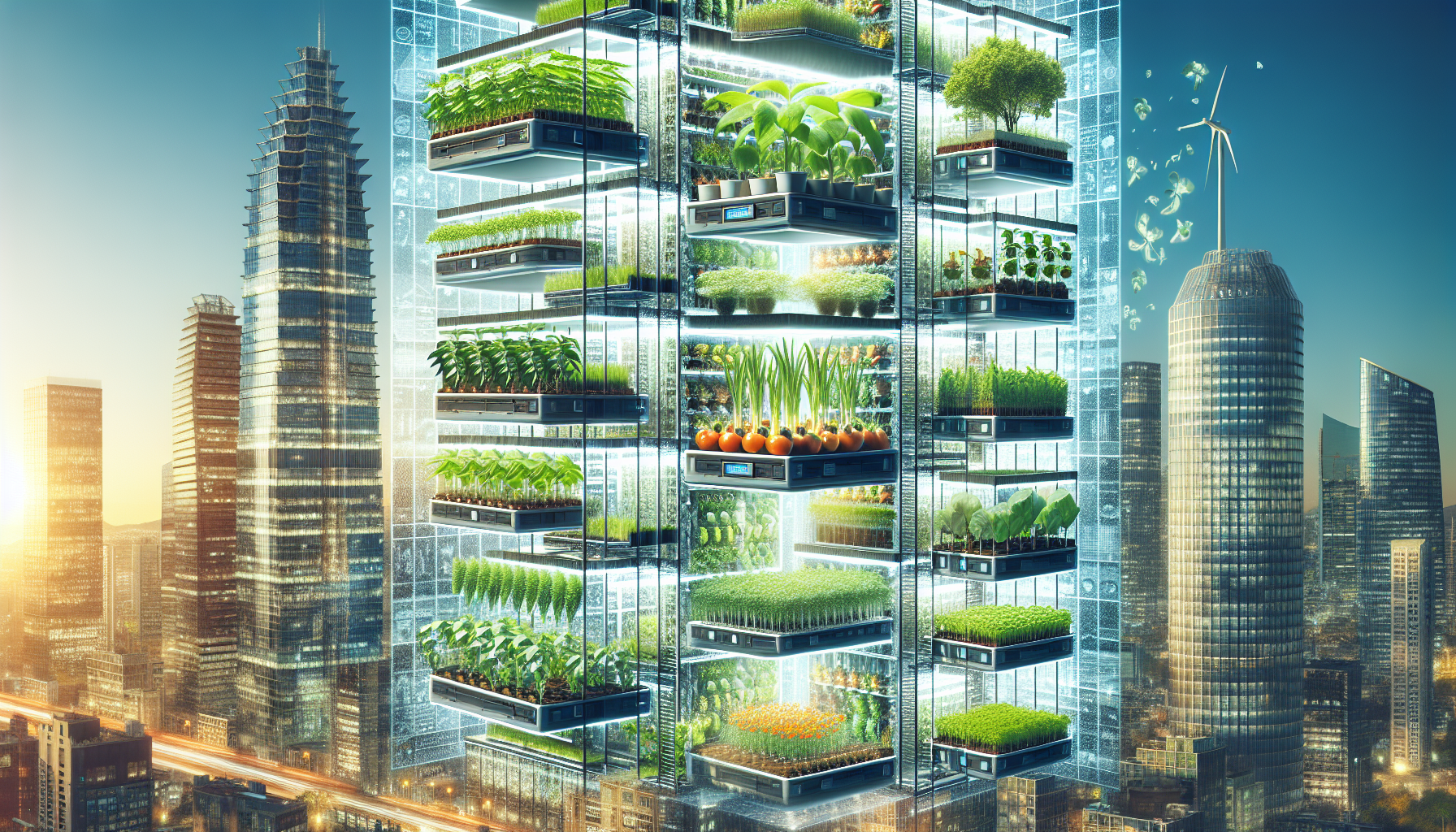
The Rise of Vertical Farming in Urban Food Production
Understanding Vertical Farming
Vertical farming is an innovative agricultural practice that involves growing crops in vertically stacked layers or integrated into other structures, such as buildings, shipping containers, or greenhouses. This method significantly optimizes space, especially in densely populated urban areas where land is precious and often limited. With advancements in technology and growing awareness of sustainable practices, vertical agriculture is transforming how we think about food production in cities.
Benefits of Vertical Farming
-
Space Efficiency
One of the most significant advantages of vertical farming is its ability to maximize limited urban space. Traditional farms require large areas of land, whereas vertical farms can be established in abandoned warehouses, basements, or rooftops. This efficiency transforms underutilized spaces into productive agricultural centers, often yielding higher output per square foot than conventional farming. -
Water Conservation
Vertical farms often utilize hydroponics or aeroponics systems, which significantly reduce water usage compared to traditional farming methods. According to studies, vertical farming can use up to 90% less water than conventional agriculture, as water is recirculated within the system. This is particularly beneficial in urban areas where water resources may be limited or under pressure. -
Reduced Transportation Emissions
Locally grown food reduces the carbon footprint associated with transporting produce from rural farms to urban markets. By growing fruits and vegetables closer to consumers, vertical farms contribute to lower greenhouse gas emissions and fresher produce reaching consumers. This localized approach also reduces spoilage, enhancing food security. -
Pesticide-Free Produce
Vertical farming often uses controlled environments that reduce pests and diseases. By employing integrated pest management techniques and creating sterile growing conditions, vertical farms can provide pesticide-free produce. This practice not only improves consumer health but also has less negative impact on the environment. -
Year-Round Production
Vertical farming utilizes controlled environments, allowing year-round cultivation irrespective of seasonal changes or weather fluctuations. This capability ensures a steady supply of food, addressing issues of seasonality that plague traditional agriculture. Urban consumers can access fresh produce 365 days a year.
Technology Driving Vertical Farming
-
LED Lighting
Grow lights, particularly LED technology, are pivotal in vertical farms. LEDs can be adjusted for optimal light spectra, promoting plant growth while minimizing energy consumption. These lights enable growers to simulate natural sunlight and extend growing periods without relying on natural light. -
Climate Control Systems
Advanced climate control systems are critical in vertical farming, allowing growers to manage temperature, humidity, and air quality. By creating optimal conditions for plant growth, these systems can substantially increase yield and quality compared to open-field farming. -
Sensor Technologies
IoT sensors are increasingly adopted in vertical farms to monitor key variables such as pH, nutrient levels, and moisture content. By providing real-time data, farmers can make informed decisions, optimize growing conditions, and further enhance crop yields. -
Automation and Robotics
Automation and robotics are revolutionizing vertical farming. Automated systems for planting, harvesting, and maintaining crops significantly reduce labor costs and enhance efficiency. Drones and robotics can streamline operations, allowing farmers to focus on higher-level management tasks.
Economic Impact of Vertical Farming
-
Job Creation
The emergence of vertical farms is generating new job opportunities in urban centers. These positions range from farming and technology management to logistics and marketing. As the industry continues to grow, the demand for skilled labor will increase, promoting economic development in urban areas. -
Investment Opportunities
Vertical farming is attracting significant investment from private equity firms, government initiatives, and agricultural stakeholders. The growth of the vertical farming market represents a lucrative opportunity for investors looking to engage with sustainable agriculture practices and technology-driven innovations. -
Support for Local Economies
By providing fresh produce to local markets, vertical farming supports local economies and reduces dependence on large-scale agricultural production. This model fosters community resilience and allows cities to develop self-sufficient food systems, lessening vulnerability to global supply chain disruptions.
Environmental Considerations
-
Carbon Footprint Reduction
As cities prioritize sustainability, vertical farming emerges as a viable solution to reduce the carbon footprint of food production. With its efficiency in energy and water use, alongside reduced transport emissions, vertical farming supports urban sustainability goals. -
Biodiversity Enhancements
Urban environments often lack biodiversity due to limited green spaces. Incorporating vertical farms can contribute to urban biodiversity by fostering new ecosystems through vegetation. These farms can serve as green roofs, enhancing urban wildlife habitats and improving overall city ecology. -
Waste Reduction
Vertical farms can utilize organic waste from urban areas as compost or nutrient sources, effectively creating a closed-loop system of food production. This approach minimizes waste disposal issues and contributes to a circular economy.
Challenges Facing Vertical Farming
-
High Initial Costs
The establishment of vertical farms requires significant capital investment due to the technologies and equipment involved. Many entrepreneurs face hurdles in funding these ventures, which can hinder the growth of the industry. -
Energy Consumption
While vertical farming can save water, its energy needs, especially for lighting and climate control, are considerable. As the industry grows, finding sustainable energy solutions will be crucial to ensure that vertical farms remain environmentally friendly. -
Market Acceptance
Consumer acceptance of vertically farmed produce can pose challenges. Educating consumers about the benefits and quality of urban-grown food will be essential for the broader market penetration of these products. -
Regulatory hurdles
Local regulations can affect the establishment of vertical farms, particularly concerning zoning laws, building codes, and health regulations. Stakeholders need to engage with policymakers to create more favorable conditions for vertical farming initiatives.
Conclusion
Vertical farming represents a paradigm shift in urban food production, combining technological innovation with sustainable practices. By addressing the challenges of space, water, and local food security, cities can leverage this agricultural model to create a more resilient, efficient, and environmentally friendly food system. As advancements continue and the industry matures, vertical farming is set to play a pivotal role in the future of urban agriculture.