













How to Buy Used Construction Equipment Near Me
When in the market for used construction equipment, the right approach can save you both time and money. Here is a comprehensive guide to navigate the process effectively.
Understanding Your Needs
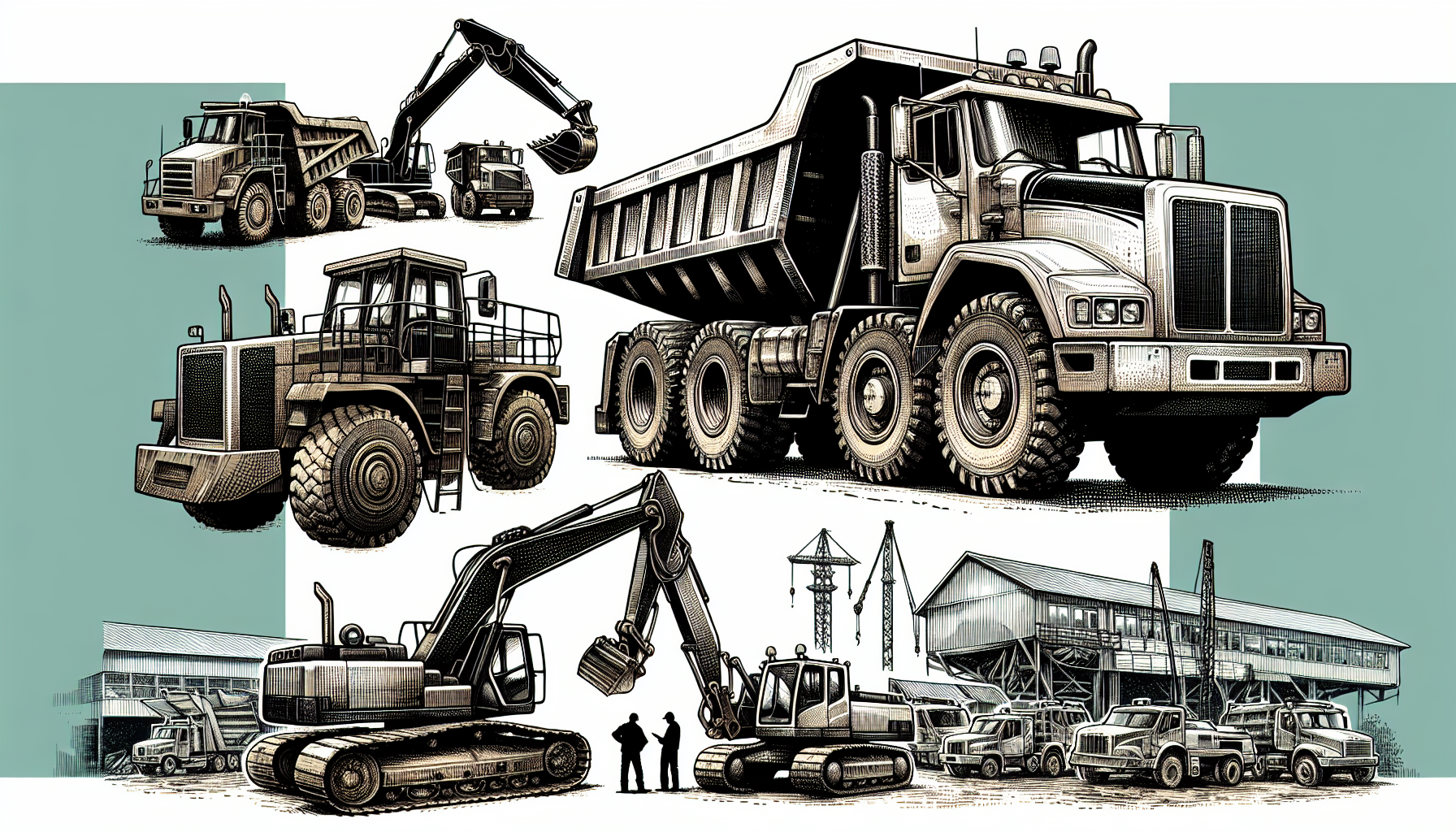
Before searching for used construction equipment, assess your project needs. Consider the type of equipment required, the expected duration of usage, and your budget. Common types of construction equipment include:
- Excavators: Ideal for digging and land clearing.
- Bulldozers: Useful for moving large amounts of earth.
- Backhoe Loaders: Versatile machines for digging and loading.
- Cranes: Essential for lifting heavy objects.
Establishing specific criteria such as size, capacity, age, and brand preference can streamline your search.
Research Local Dealers
A good starting point is to identify local dealers specializing in used construction equipment. Factors to consider include:
- Reputation: Check online reviews and testimonials. Websites like Google My Business, Yelp, and industry-specific forums can provide valuable insights.
- Inventory Variety: Look for dealers with a diverse selection of equipment. A varied inventory indicates a reliable dealer.
- After-Sales Services: Opt for dealers that offer maintenance, warranties, and repair services.
Use Online Marketplaces
Leverage online platforms dedicated to used machinery, where you can find listings close to your locality. Key sites include:
- eBay: Offers a wide range of listings but requires careful scrutiny of seller ratings.
- Machinery Trader: Focuses solely on construction equipment, providing detailed descriptions and images.
- Ritchie Bros. Auctioneers: A reputable auction site where you can bid on used machinery.
- Equipment Trader: Provides extensive listings, alongside detailed search filters to find equipment by location.
Utilize filters to list equipment available near you for more localized options.
Attend Local Auctions
Local auctions are another excellent avenue to consider. Auctions often feature well-maintained equipment at competitive prices. Key points to remember:
- Research Auction Houses: Get information about upcoming auctions through local agencies, classified ads, or industry newsletters.
- Inspect Equipment Before Bidding: Always attend preview sessions to inspect the equipment physically. This allows you to assess the condition and gauge the potential value.
- Set a Budget: Decide your maximum bid beforehand to avoid overspending.
Keep in mind that auctions can be competitive, so understanding the market value of equipment is crucial.
Networking with Industry Professionals
Engaging with industry professionals can yield valuable leads for purchasing used equipment. Consider joining local construction associations or industry seminars. Networking with contractors or other construction business owners may provide insights into upcoming sales or trusted dealers.
Inspect Before Purchasing
Conducting a thorough inspection is essential to ensure that the used equipment meets your standards. Key aspects to check include:
- Physical Condition: Look for signs of wear, damage, or rust.
- Operational Functionality: Test all controls, movements, and features.
- Maintenance Records: Request service history to verify maintenance and repairs.
- Engine Performance: Check for leaks, unusual noises, and the overall functionality of the engine.
Financing Options
Determine how you will finance the purchase. Consider these options:
- Cash Purchase: The simplest method but requires considerable upfront investment.
- Financing Through Dealers: Some dealers offer financing options. Assess interest rates and terms carefully.
- Bank Loans: Traditional loans can be secured, but ensure you have a good credit score to obtain favorable terms.
- Leasing Options: If you need equipment for a short period, consider leasing, which may offer lower upfront costs.
Negotiating the Price
Once you decide on a piece of equipment, negotiating can save you money. Here are some negotiation tips:
- Research Market Value: Understanding the average market price empowers you during negotiations.
- Present Inspection Results: If you find any issues during your inspection, use them to justify your offer.
- Be Ready to Walk Away: If the price doesn’t align with your budget, be prepared to look for alternatives.
Completing the Purchase
When you have successfully negotiated a price, ensure all documentation is in order. Key documents include:
- Bill of Sale: This serves as proof of ownership transfer.
- Title Transfer: Ensure the title is clean and free of liens.
- Inspection Reports: Keep records of any inspections or maintenance performed.
Verify that you fully understand all terms, including warranties and return policies, before finalizing the deal.
Registering Your Equipment
Once the purchase is complete, register your newly acquired equipment with appropriate state or local authorities, if required. This is particularly important for certain types of heavy equipment. Check for necessary permits and compliance with local regulations before using the machinery.
Maintaining Your Equipment
To optimize your investment, implement a regular maintenance schedule. Proper care extends the life of your used construction equipment, ensuring it operates safely and efficiently. Key maintenance practices include:
- Regular Inspections: Periodically check for wear and damage.
- Oil Changes: Follow the manufacturer’s recommendations for oil change intervals.
- Cleaning: Keep the equipment clean and free from debris to reduce wear and corrosion.
- Professional Servicing: Consider having professionals conduct yearly maintenance checks.
By following these guidelines, you can effectively navigate the process of purchasing used construction equipment, ensuring a successful acquisition that meets your project’s demands without overspending.